High blood pressure, also known as hypertension, is often called the “silent killer” — and not without reason. Many people may live for years with elevated blood pressure without experiencing any symptoms, all while their heart, kidneys, and blood vessels quietly take damage. Understanding this condition, its risks, and prevention methods is crucial for long-term health.
What is High Blood Pressure?
Blood pressure measures the force of blood pushing against the walls of your arteries. When this pressure is consistently too high, it can strain your heart, damage arteries, and increase the risk of serious complications like heart attacks, strokes, and kidney disease.
-
Normal blood pressure: Less than 120/80 mmHg
-
Elevated blood pressure: 120–129/<80 mmHg
-
Hypertension Stage 1: 130–139/80–89 mmHg
-
Hypertension Stage 2: 140+/90+ mmHg
Why It’s Called the Silent Killer
Many people with hypertension feel completely fine. Unlike diseases that cause obvious pain or discomfort, high blood pressure can silently damage vital organs over time. Some subtle warning signs may include:
-
Frequent headaches
-
Fatigue or confusion
-
Vision problems
-
Chest pain or shortness of breath
However, many people don’t notice any symptoms until a serious complication occurs, which is why regular screening is vital.
Causes and Risk Factors
High blood pressure can develop due to a combination of lifestyle, genetics, and medical conditions. Common risk factors include:
-
Excess salt intake
-
Sedentary lifestyle
-
Obesity
-
Excess alcohol consumption
-
Smoking
-
Stress
-
Family history of hypertension
-
Age (risk increases after 40 years)
Health Complications
If left unmanaged, high blood pressure can lead to severe health problems:
-
Heart Disease: Increased risk of heart attack, heart failure, and left ventricular hypertrophy
-
Stroke: High blood pressure can weaken blood vessels, increasing stroke risk
-
Kidney Damage: Over time, it can reduce kidney function
-
Vision Loss: Damaged blood vessels in the eyes may lead to vision problems
Prevention and Management
The good news is that hypertension can be managed and prevented with the right lifestyle changes and medical care. Here’s how:
-
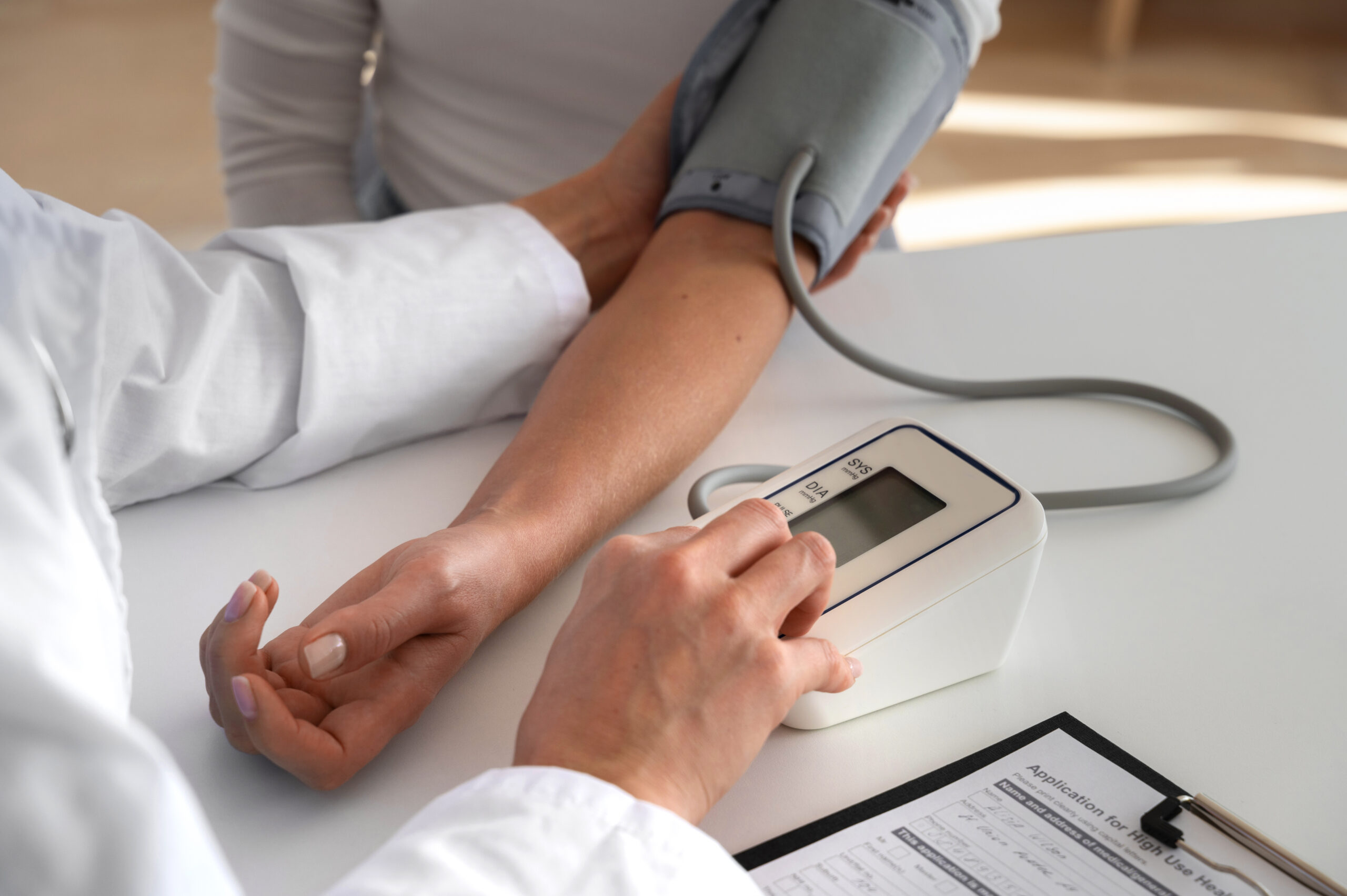
Regular Monitoring: Check your blood pressure regularly, especially if you have risk factors.
-
Healthy Diet: Reduce salt, eat plenty of fruits and vegetables, and avoid processed foods.
-
Exercise: Aim for at least 30 minutes of moderate physical activity most days.
-
Maintain a Healthy Weight: Weight loss can significantly lower blood pressure.
-
Limit Alcohol & Quit Smoking: Both habits increase hypertension risk.
-
Stress Management: Practice yoga, meditation, or deep-breathing exercises.
-
Medication: For some, antihypertensive medications may be necessary as prescribed by a doctor.
When to See a Doctor
Even if you feel healthy, regular check-ups are essential. Immediate consultation is required if you experience:
-
Severe headache
-
Chest pain
-
Shortness of breath
-
Vision changes
-
Unusual fatigue or confusion
At Shantidevi Healthcare, we provide comprehensive blood pressure monitoring, lifestyle guidance, and treatment plans tailored to your needs. Our goal is to detect hypertension early, prevent complications, and help you lead a healthy life.
Takeaway: High blood pressure doesn’t always announce itself with symptoms, but its impact can be life-threatening. Early detection, healthy habits, and proper care are the best defenses against this silent killer.
Book your blood pressure check-up today at Shantidevi Healthcare and take control of your heart health.