
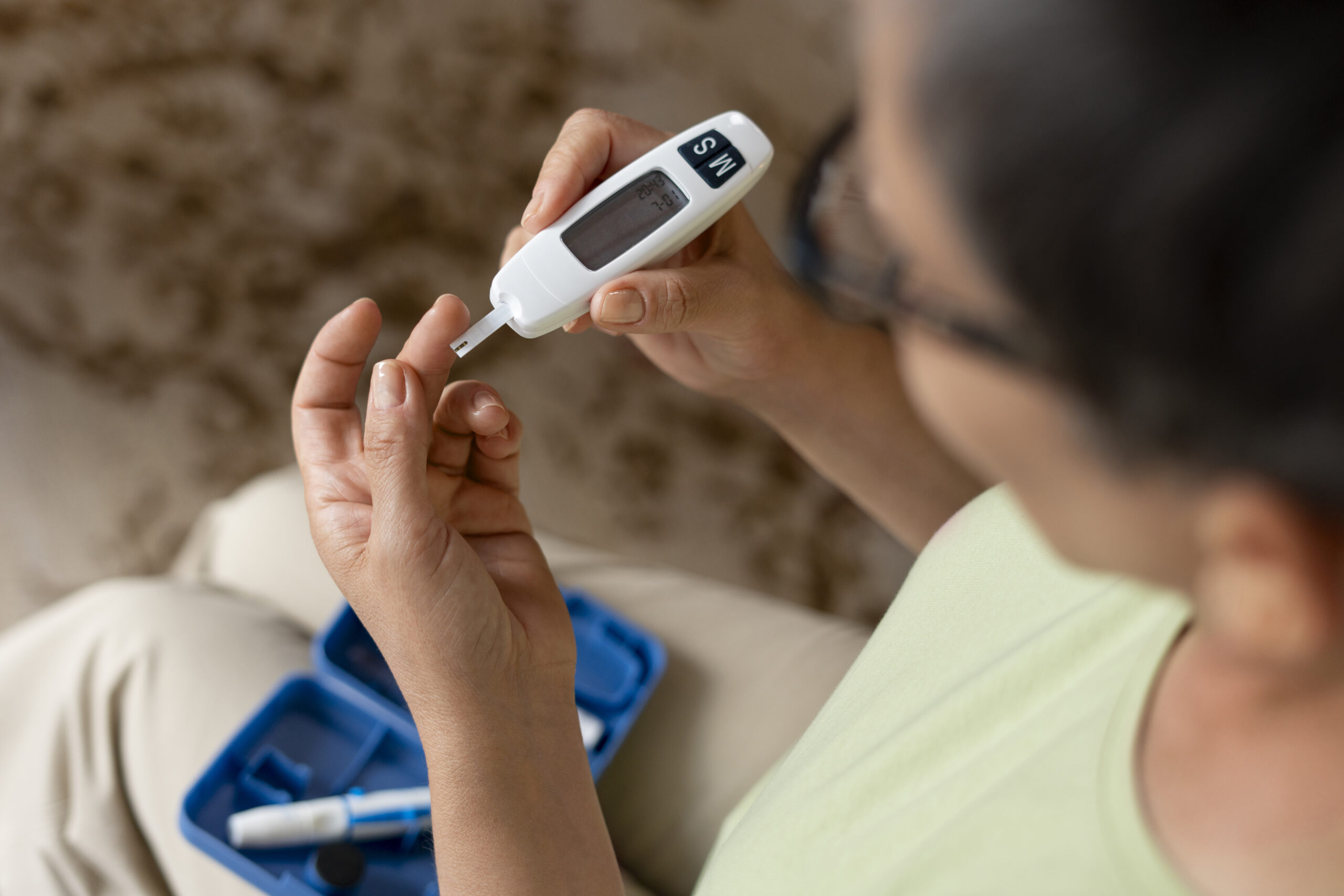
Diabetes is one of the most common health conditions today, yet many people ignore its early symptoms because they often seem harmless or “normal.” Small changes in your body can sometimes be early warning signs of high blood sugar levels.
Recognizing these symptoms early can help prevent serious complications and improve long-term health. Unfortunately, many people only discover they have diabetes after the condition has already started affecting their health.
Why Early Diabetes Symptoms Are Often Ignored
The early signs of diabetes usually develop slowly. Since these symptoms can easily be linked to stress, tiredness, weather changes, or busy lifestyles, people often overlook them.
However, persistent symptoms should never be ignored, especially if they continue for weeks or become more frequent.
Common Diabetes Warning Signs That Feel Normal
1. Feeling Tired All the Time
Many people assume constant tiredness is caused by work pressure or lack of sleep. But fatigue can also happen when the body cannot properly use glucose for energy due to high blood sugar levels.
If you feel exhausted even after proper rest, it may be worth checking your blood sugar.
2. Frequent Urination
Urinating more often, especially at night, is one of the common early signs of diabetes.
When blood sugar levels become high, the kidneys work harder to remove excess sugar through urine, leading to increased urination.
3. Increased Thirst
Feeling unusually thirsty throughout the day may seem harmless, especially during hot weather. However, excessive thirst often occurs because the body loses more fluids due to frequent urination.
Persistent thirst should not be ignored.
4. Unexplained Weight Loss
Losing weight without changes in diet or exercise may sound positive to some people, but sudden or unexplained weight loss can be a warning sign of diabetes.
The body may begin breaking down muscle and fat for energy when it cannot use glucose properly.
5. Increased Hunger
People with diabetes may feel hungry more often even after eating regular meals.
This happens because glucose is not effectively entering the body’s cells to provide energy.
6. Blurred Vision
Temporary blurry vision is often blamed on screen time or eye strain, but fluctuating blood sugar levels can affect the eyes and vision.
Regular vision problems should always be evaluated.
7. Slow-Healing Wounds
Cuts, bruises, or wounds that take longer to heal can be another early warning sign.
High blood sugar may affect blood circulation and the body’s ability to heal properly.
8. Tingling or Numbness in Hands and Feet
A tingling sensation or numbness in the hands and feet may indicate nerve damage caused by uncontrolled blood sugar levels.
This symptom is commonly ignored in the beginning.
9. Frequent Infections
People with diabetes may experience repeated infections, including:
- skin infections
- urinary tract infections
- gum infections
High sugar levels can weaken the immune system and make it harder for the body to fight infections.
10. Dark Patches on Skin
Darkened skin around the neck, underarms, or other body folds may be associated with insulin resistance, an early sign linked to diabetes.
Who Is More at Risk?
You may have a higher risk of diabetes if you:
- have a family history of diabetes
- are overweight
- have high blood pressure
- live a sedentary lifestyle
- experience high stress
- have unhealthy eating habits
Regular health checkups are especially important for people with these risk factors.
Why Early Diagnosis Matters
Untreated diabetes can increase the risk of:
- heart disease
- kidney problems
- nerve damage
- vision loss
- infections
Early detection and lifestyle changes can help manage blood sugar effectively and reduce future complications.
Tips to Help Prevent Diabetes
Maintain a Healthy Lifestyle
- eat balanced meals
- reduce sugary foods
- stay physically active
- maintain healthy body weight
Exercise Regularly
Daily movement helps improve insulin sensitivity and blood sugar control.
Stay Hydrated
Drinking enough water supports overall body function.
Get Regular Health Checkups
Routine blood sugar testing helps detect problems early.
Conclusion
Many diabetes symptoms appear mild or “normal” in the beginning, which is why the condition often goes unnoticed. Persistent fatigue, increased thirst, frequent urination, blurred vision, or slow-healing wounds should never be ignored.
Early diagnosis and proper medical care can help manage diabetes effectively and protect your long-term health.
If you notice any warning signs, consulting a healthcare professional at the right time can make a significant difference.
For expert healthcare consultation and routine health checkups, visit Shantidevi Healthcare