
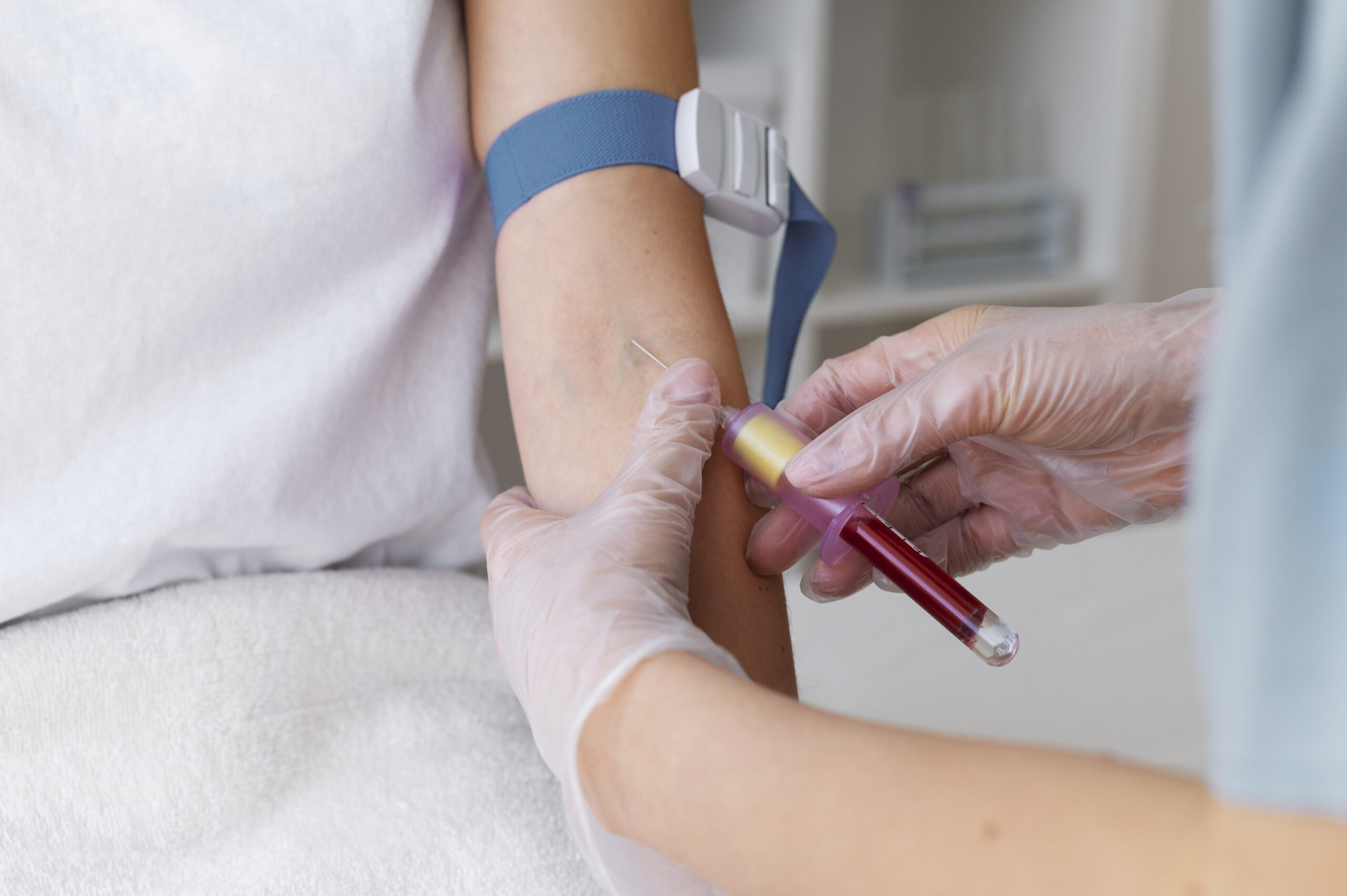
You’ve just collected your blood test report.
You scan through the pages and see numbers, abbreviations, reference ranges, and medical terms that feel overwhelming.
Is everything normal?
Is something serious?
Do slightly high or low numbers always mean disease?
Let’s break it down in simple language so you can understand what your basic blood test parameters actually mean — and when you should consult a doctor.
Why Blood Tests Are Important
Blood tests help doctors detect infections, anemia, diabetes, thyroid disorders, vitamin deficiencies, liver issues, kidney problems, and even early signs of heart disease.
They are often the first step in diagnosing a problem, even before symptoms become severe.
At a multispeciality hospital like Shantidevi Healthcare Multispeciality Hospital, doctors use blood investigations not just to treat illness — but to prevent it.
1. Complete Blood Count (CBC)
A CBC is one of the most commonly advised tests. It evaluates your overall health and screens for disorders like anemia or infection.
Hemoglobin (Hb)
Hemoglobin carries oxygen in your blood.
Low hemoglobin may indicate anemia, which can cause:
-
Fatigue
-
Weakness
-
Dizziness
-
Pale skin
High hemoglobin may be linked to dehydration or certain medical conditions.
White Blood Cells (WBC)
WBCs fight infections.
-
High WBC count may suggest infection, inflammation, or stress.
-
Low WBC count may indicate weakened immunity or bone marrow issues.
If you recently had fever, cough, or infection, your WBC count may temporarily increase.
Platelets
Platelets help in blood clotting.
Low platelet levels may lead to easy bruising or bleeding.
Very high platelet levels may increase clotting risk.
Mild fluctuations are common and not always dangerous — clinical correlation is important.
2. Blood Sugar Levels
Blood sugar testing helps diagnose and monitor diabetes.
Fasting Blood Sugar
Done after 8–10 hours of fasting.
-
Normal: Usually below 100 mg/dL
-
Prediabetes: 100–125 mg/dL
-
Diabetes: 126 mg/dL or higher (on repeated testing)
HbA1c
This shows your average blood sugar over the last 2–3 months.
It is one of the most reliable indicators for long-term sugar control.
If your HbA1c is slightly elevated, lifestyle modification may help reverse the trend early.
3. Lipid Profile (Cholesterol Test)
This test measures fat levels in your blood and assesses heart risk.
Total Cholesterol
High levels may increase heart disease risk.
LDL (Bad Cholesterol)
Excess LDL can deposit in arteries and cause blockages.
HDL (Good Cholesterol)
Higher HDL is protective for the heart.
Triglycerides
Often increase due to:
-
High sugar intake
-
Sedentary lifestyle
-
Obesity
-
Alcohol consumption
A single high value doesn’t always mean danger — doctors look at the overall pattern and your risk factors.
4. Liver Function Test (LFT)
LFT measures enzymes and proteins that indicate liver health.
Elevated liver enzymes may be seen in:
-
Fatty liver
-
Alcohol use
-
Viral infections
-
Medication side effects
Slight increases are common and may normalize with lifestyle changes.
5. Kidney Function Test (KFT)
This test measures:
Creatinine
High creatinine may indicate reduced kidney function.
Urea
May rise in dehydration or kidney issues.
Your doctor interprets these values along with age, hydration status, and medical history.
6. Thyroid Function Test
Thyroid hormones regulate metabolism, weight, mood, and energy.
TSH (Thyroid Stimulating Hormone)
High TSH may suggest hypothyroidism.
Low TSH may suggest hyperthyroidism.
Symptoms of thyroid imbalance include:
-
Sudden weight gain or loss
-
Hair fall
-
Mood changes
-
Irregular periods
-
Fatigue
Early detection prevents long-term complications.
Important Things to Remember
-
Do not panic over one slightly abnormal value.
-
Lab ranges vary slightly between laboratories.
-
Always correlate results with symptoms.
-
Self-diagnosis can cause unnecessary anxiety.
A report is not a diagnosis. It is a tool that helps doctors understand your health better.
When Should You Consult a Doctor?
You should seek medical advice if:
-
Multiple parameters are abnormal
-
You have persistent symptoms
-
Your sugar, cholesterol, or thyroid values are consistently high
-
You are pregnant
-
You have a chronic illness
Early medical intervention prevents complications and reduces treatment costs in the long run.
The Bottom Line
Understanding your blood test report empowers you to take control of your health.
Regular checkups help detect silent conditions like diabetes, hypertension, thyroid disorders, and fatty liver before they become serious.
If you’re unsure about your report, consult a qualified physician rather than searching online and worrying.
Your health numbers tell a story — make sure you interpret them with the right medical guidance.
 Visit Shantidevi Healthcare for diabetes screening, expert consultation, and preventive care.
Unit 1 – Shop No. I, Rushabh Heights, near Malav Talav Road, Pavansut Society, Vasna, Ahmedabad, Gujarat 380007
Unit 2 – GF Shop No.3, Sun South Trade, Gala Gymkhana Rd, Opp. Bopal Police Station, South Bopal, Ahmedabad, Gujarat 380058
 Contact: +91 7600003522 | +91 955812239