
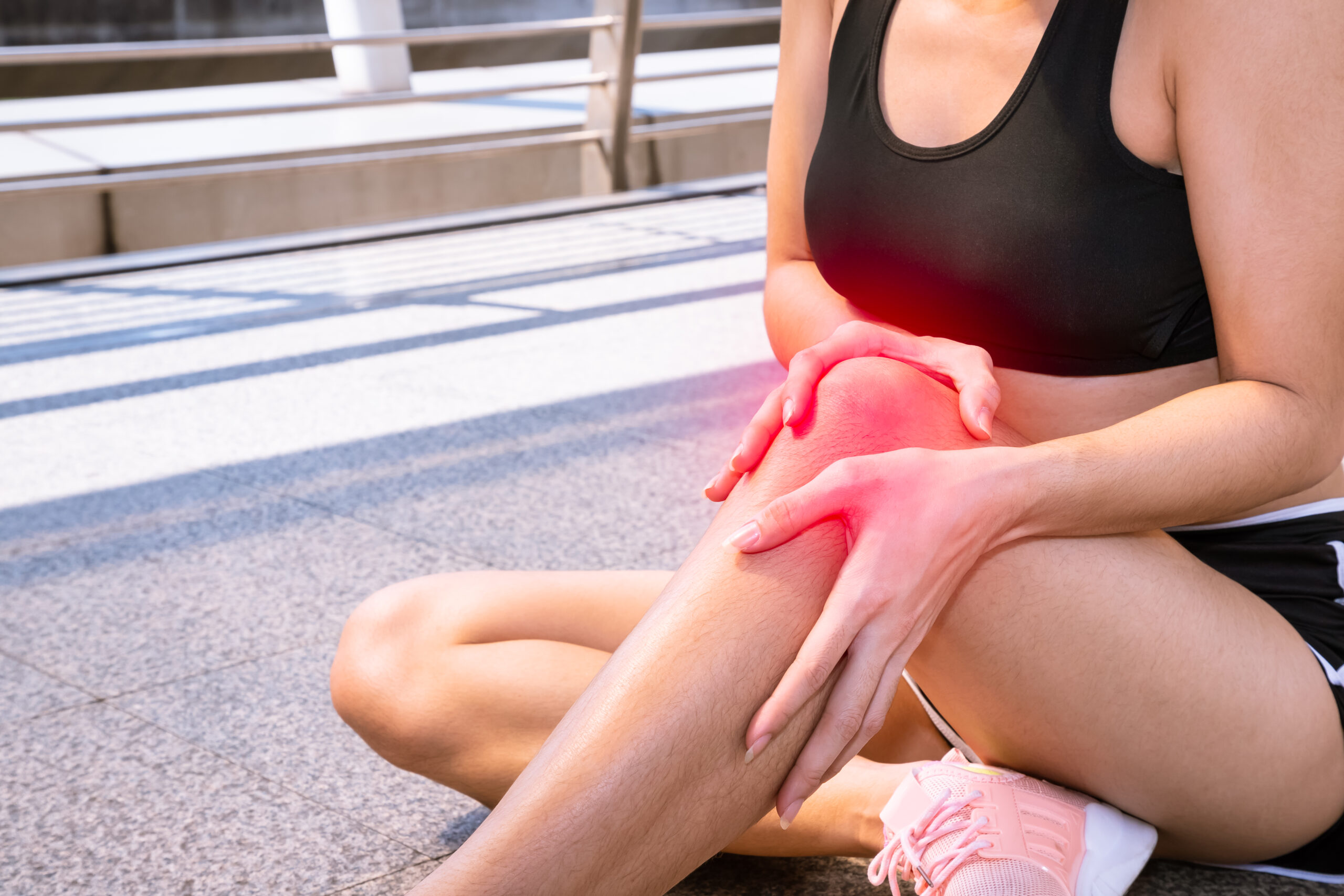
Knee pain used to be associated mainly with aging or athletes — but today more young adults in their 20s and 30s are reporting persistent knee discomfort. Whether it started after gym workouts, long walks, or for no apparent reason at all, the rise of knee pain in younger populations is real — and avoidable in many cases.
In this blog, we’ll explore the top medical reasons behind it, how lifestyle contributes, and what you can do now to prevent it from becoming chronic.
Why Knee Pain Is Increasing in Young Adults
1. Sedentary Lifestyle + Weak Muscles
Ironically, both inactivity and sudden intense exercise strain the knee joint. Muscles around the knee — especially the quadriceps and hamstrings — lose strength with prolonged sitting. When these muscles are weak, the knee joint bears the brunt of daily activities.
This mismatch between weak supportive muscles and sudden physical demand leads to pain.
2. Improper Gym Form & Overtraining
Young adults are more active in gyms and CrossFit programs than ever — but without proper guidance, exercises like:
Squats with heavy weights
Lunges
Plyometrics
…can overload the joint. Incorrect form, rapid progression of intensity, and skipping warm-ups are common culprits.
3. Footwear Matters
Flat, unsupportive shoes — or even high-impact running shoes used without proper gait analysis — can misalign knee mechanics. This places extra stress on the joint with every step.
4. Increased Body Weight
Despite being young, many adults carry excess body weight due to lifestyle and diet habits. Your knees absorb 3–4x your body weight when you walk — so even small weight gains can dramatically increase joint stress.
5. Repetitive Stress from Daily Habits
Common habits that strain knees over time include:
Sitting cross-legged for hours on the floor
Regular stair climbing
Biking without correct seat height
Long daily commutes without breaks
These repetitive motions are often underestimated.
6. Sports Injuries & Early Osteoarthritis
Active runners, football players, and gym enthusiasts can develop:
Meniscus tears
Ligament strains (ACL, MCL)
Tendonitis
If left untreated, these injuries can predispose knees to wear and tear — even in young adults.
Common Causes of Knee Pain in Young Adults
Here are the most frequently diagnosed medical reasons:
Patellofemoral Pain Syndrome (Runner’s Knee)
Pain around the kneecap, often after climbing stairs or sitting long (theatre sign) — linked to muscle imbalance and poor movement patterns.
IT Band Syndrome
The iliotibial band becomes tight, causing sharp pain on the outer knee — common in runners and cyclists.
Tendonitis
Inflammation of tendons due to repetitive strain (e.g., jumping activities).
Meniscus Injury
Often felt as pain on one side of the knee with occasional locking or clicking.
Symptoms That Need Medical Evaluation
Seek evaluation if your knee pain includes:
Significant swelling
Inability to fully straighten or bend
Locking of the knee
Pain and instability while walking
Symptoms persisting > 2 weeks
A specialist can order imaging (X-ray, MRI) and plan appropriate care.
How Your Daily Habits Affect Knee Health
Prolonged Sitting
Weakens quadriceps and changes how your knee tracks.
Wrong Sitting Posture
Cross-leg sitting and slouching add strain.
Being Too Active Without Support
Sudden escalation of activity without rest or strengthening leads to micro-injuries.
Prevention & Treatment Tips
1. Strengthen Supporting Muscles
Focus on exercises that build:
Quadriceps
Glutes
Hamstrings
Examples:
• Clamshells
• Glute bridges
• Straight leg raises
• Wall sits
2. Fix Your Form
Always warm up. Use slower progressions.
Get guidance from a trainer or physiotherapist.
3. Wear Supportive Shoes
Choose footwear based on gait and activity type — not just style.
4. Stretch Daily
IT band, calves, hamstrings, and quadriceps flexibility helps reduce stress.
5. Use Ice & Rest For Flare-Ups
Apply ice after exercise and avoid activities that worsen pain temporarily.
When to See a Doctor
If self-care is not helping within 7–14 days, a specialist may recommend:
Physiotherapy
Joint injections (if needed)
Advanced imaging
Platelet-rich plasma (PRP) for chronic tendon issues
Modern treatments can accelerate healing and help you return to pain-free mobility faster.
Final Thoughts
Knee pain in young adults is common but not normal. With balanced activity, informed movement, and preventive care, most discomfort can be reduced or prevented.
Listening to your body early — and acting sooner — keeps you active, strong, and enjoying life without limitations.
Ready to take action?
If your knee pain is persistent, book a specialist consultation at Shantidevi Healthcare — because early care makes the biggest difference.
 Visit Shantidevi Healthcare for diabetes screening, expert consultation, and preventive care.
Unit 1 – Shop No. I, Rushabh Heights, near Malav Talav Road, Pavansut Society, Vasna, Ahmedabad, Gujarat 380007
Unit 2 – GF Shop No.3, Sun South Trade, Gala Gymkhana Rd, Opp. Bopal Police Station, South Bopal, Ahmedabad, Gujarat 380058
 Contact: +91 7600003522 | +91 955812239