
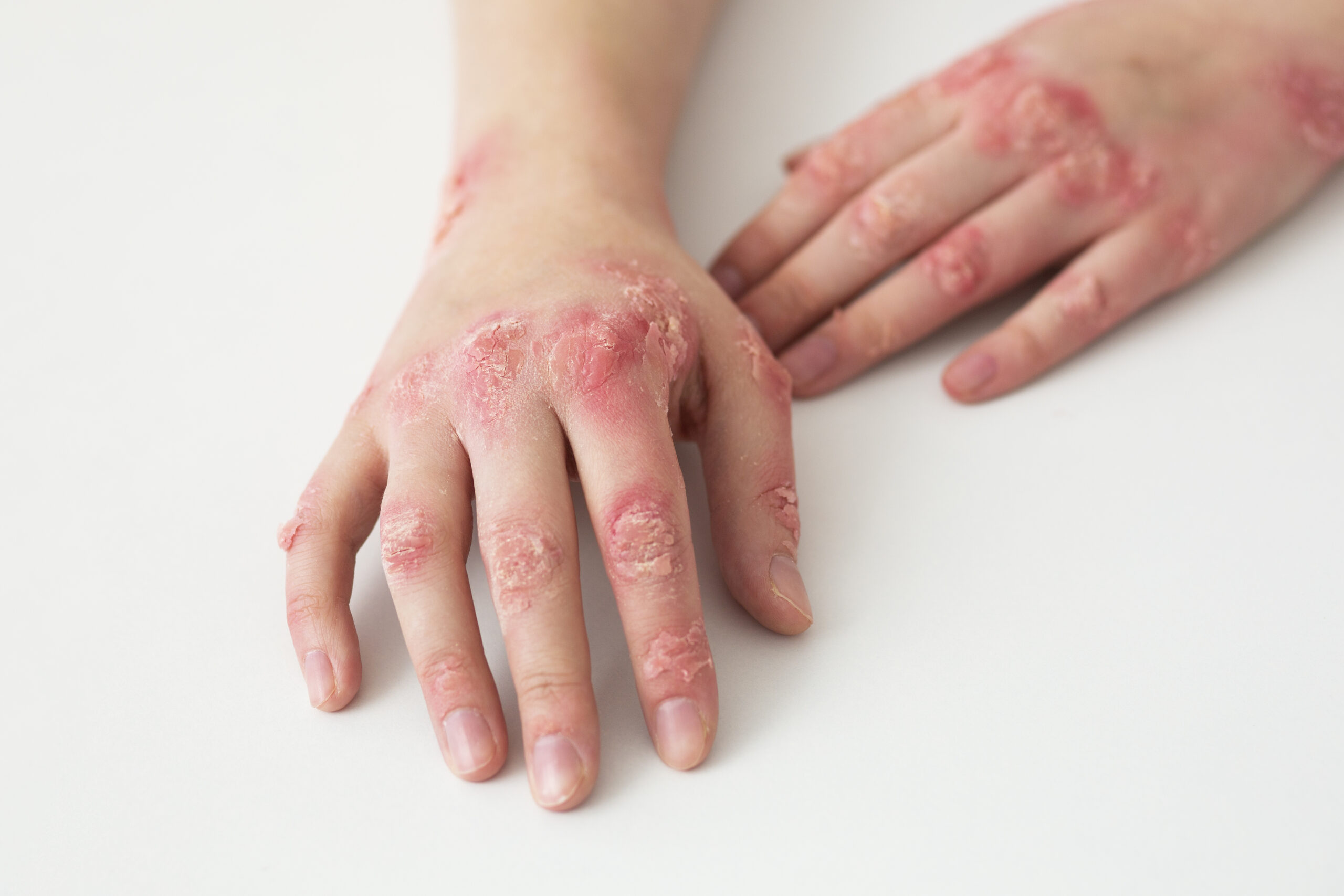
Skin is the body’s first line of defense against germs. However, when bacteria, fungi, viruses, or parasites enter through cuts, cracks, or weakened skin, infections can occur. Skin infections are common and usually treatable, but ignoring early signs can lead to complications. Understanding the causes, symptoms, and prevention methods helps ensure timely care and healthy skin.
What Are Skin Infections?
Skin infections occur when harmful microorganisms infect the skin layers. They can range from mild conditions that resolve quickly to more serious infections requiring medical treatment. People of all ages can develop skin infections, especially those with diabetes, weak immunity, or poor hygiene practices.
Common Causes of Skin Infections
Skin infections are caused by different types of organisms. Bacterial infections often develop from cuts, wounds, or insect bites. Fungal infections thrive in warm, moist areas such as skin folds, feet, and groin. Viral infections may spread through direct skin contact, while parasitic infections can result from poor hygiene or close contact with infected individuals.
Factors such as excessive sweating, poor personal hygiene, weakened immunity, diabetes, and prolonged use of tight or damp clothing increase the risk of skin infections.
Symptoms You Should Not Ignore
Symptoms vary depending on the type of infection but often begin with redness, itching, or swelling. Pain, warmth, rashes, pus-filled bumps, scaling, or peeling skin may develop. Some infections may cause fever or general discomfort, indicating that the infection is spreading.
If symptoms worsen, persist, or recur frequently, medical evaluation is important to prevent complications.
How Skin Infections Are Diagnosed
Doctors usually diagnose skin infections through physical examination. In some cases, laboratory tests such as skin scrapings, swabs, or blood tests may be required to identify the exact cause and determine the most effective treatment.
Treatment Options
Treatment depends on the type and severity of the infection. Bacterial infections may require antibiotics, while fungal infections are treated with antifungal medications. Viral infections are managed with antiviral medicines and supportive care. Early treatment helps reduce discomfort, prevent spread, and ensure faster recovery.
Self-medication or delayed treatment can worsen the condition and should be avoided.
Prevention Tips for Healthy Skin
Maintaining good hygiene is the most effective way to prevent skin infections. Regular bathing, keeping skin dry, and wearing clean, breathable clothing help reduce the risk. Avoid sharing personal items such as towels or razors. Clean and cover cuts or wounds properly to prevent infection.
People with diabetes or weakened immunity should take extra care of their skin and seek medical advice at the first sign of infection.
When to See a Doctor
You should consult a doctor if a skin infection does not improve within a few days, spreads rapidly, becomes painful, or is accompanied by fever. Recurrent infections or infections in children, elderly individuals, or patients with chronic illnesses require prompt medical attention.
Care at Shantidevi Healthcare
At Shantidevi Healthcare, our experienced doctors provide accurate diagnosis and personalized treatment for all types of skin infections. With a patient-focused approach and modern diagnostic facilities, we ensure timely care, effective treatment, and guidance on long-term prevention.
Conclusion
Skin infections are common but manageable when identified early. Paying attention to symptoms and practicing preventive care can protect your skin and overall health. If you notice any persistent or worsening skin problems, timely medical consultation can make all the difference.